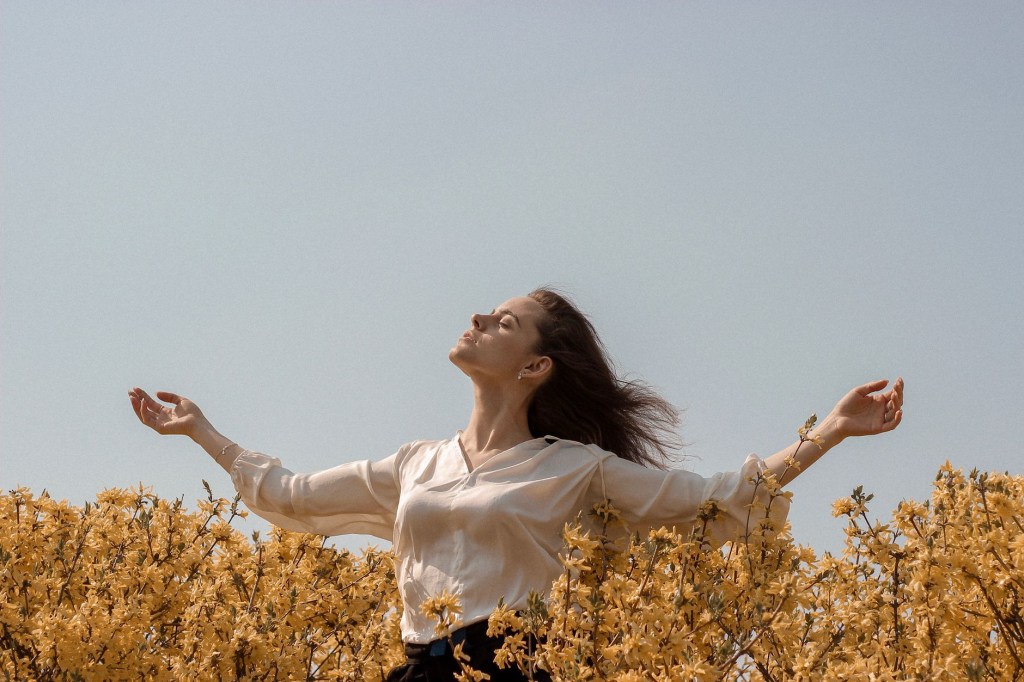
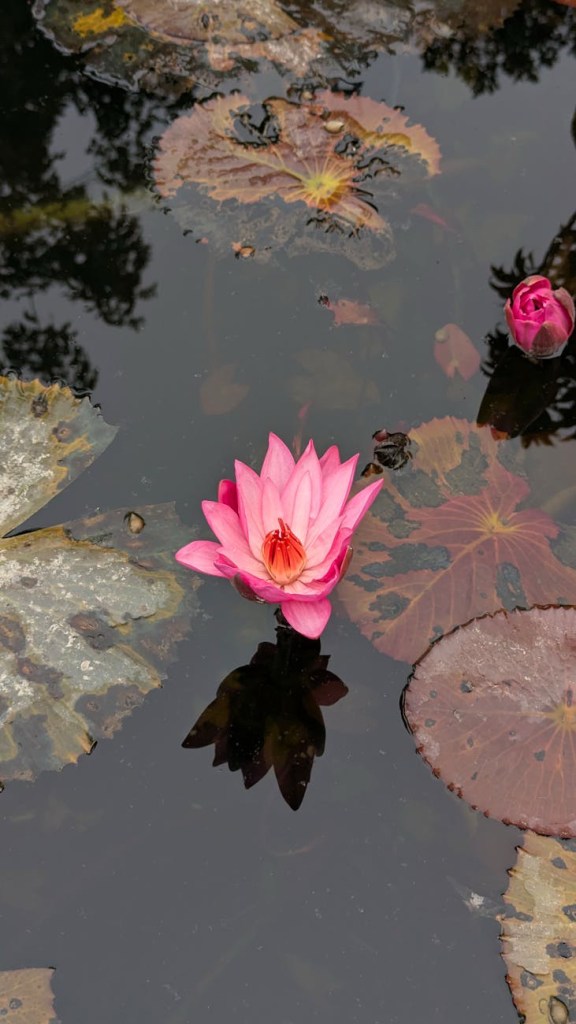
If we see ourselves as artists, as Don Miguel Ruiz said in his book “The Voice of Knowledge,” the art is up to us. We have the power to create and maintain our own masterpiece: what perspective we want to view it from, what colors we use and where to add light.
Previously, I wrote about Love and Fear, today I will be discussing that the difference between acting through either love or fear is becoming aware of whether you’re listening to the voice of your ego or the voice of your heart.
Free yourself from your ego…
Sadly, most human beings describe their lives through a place of suffering. Everyone has problems, issues, obstacles, struggles, pain and frustrations. This is part of being human. Thankfully, there’s good news! We also have a major amount of blessings God has placed upon us. These are the blessings we need to focus on.
Focus on Your Blessings…
Problems can be solved – everyone has them, stress can be managed – we all experience it. When we panic, we are making the choice of staying in a state of fear and attempt to “tone out” reality as we know it. This reality, however, is what needs to be addressed head on. Face your fears, clarify and pinpoint the problems and then find a way to solve them. You might be surprised how many people can relate to what You are going through right at this very moment in your life.
Lessen the World’s Complaints…
Will Bowen’s International Bestselling book “Complaint Free World,” has sold over 4 million copies and was translated into 35 languages worldwide. His mission is to encourage people to stop living with all the negativity by offering a 21-day Complaint Free Challenge. This is simply done by purchasing a Complaint Free Bracelet placing it on your wrist, then switching it to the other wrist with every spoken or written complaint. When you stay with it 21 days-in-a-row without complaining, you become a “Certified Complaint Free Person!”
Practice Good Deeds…
Another great example for upping our good vibes is Shannon Anderson’s “Deed a Day.” Anderson is a Jackson County School Teacher who’s now an award winning children’s book author and national speaker. She drew attention with the fb group “A Deed A Day” and went on to partner with Chicken Soup for the Soul books, mentors teachers and writers and also helps with keynoting at events.
Act in Kindness…
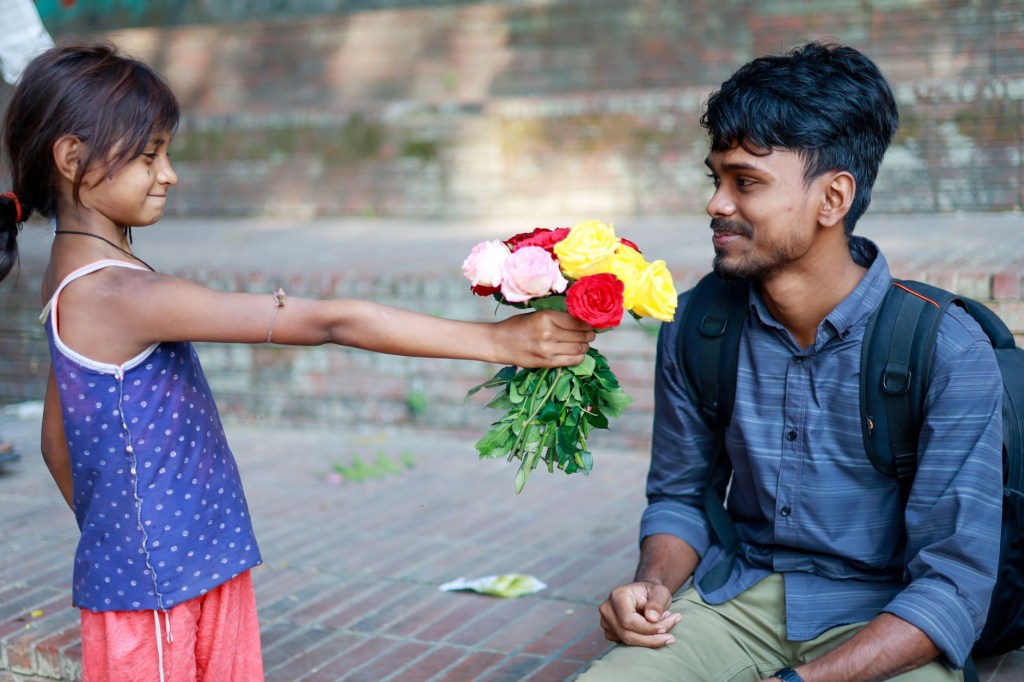
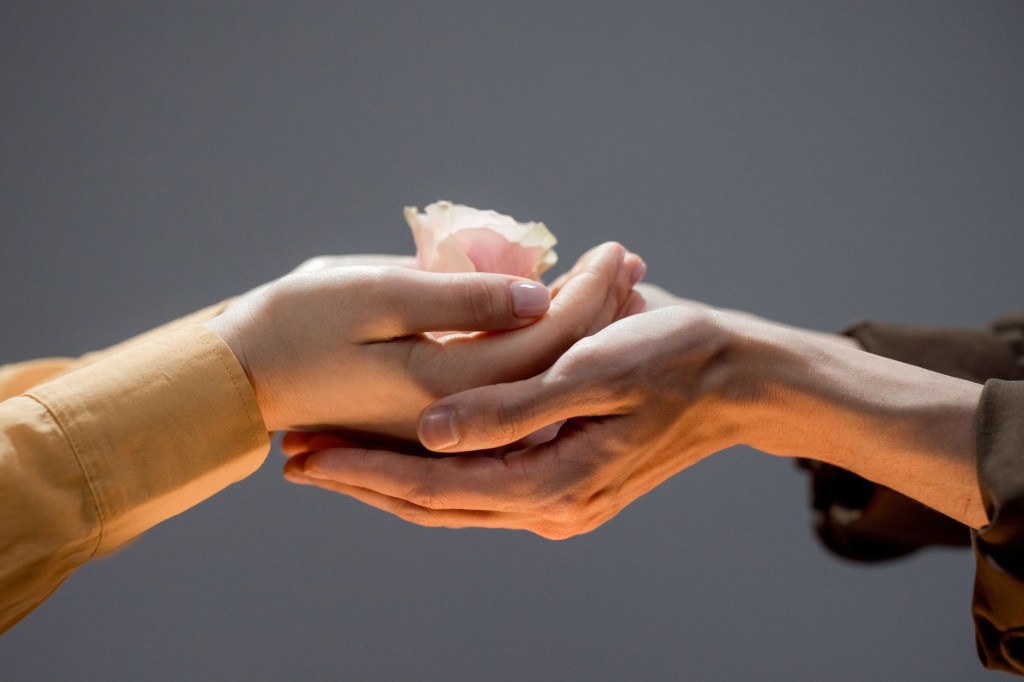
Each of these examples of action plans acted out have an exponential effect on one another, our community and the world as a whole. Pick a flower to cheer someone up, visit a loved one who’s lonely and be a good listener when someone needs you. You can be the shoulder to cry on so keep your mind open and your heart welcoming. “Don’t Ration Compassion” in any fashion. Even a smile at the grocery store or gas station makes the day a brighter world.
“We can only be said to be ALIVE in those moments when our HEARTS are conscious of our treasure.”
Psssst: Don’t forget to treat yourself well regularly! Here are some tips to helps distract from our stress and problems: read a comic, watch a cartoon, draw, color, sing, dance, play Lego’s, roll down a hill, fly a kite, take a nature walk, go camping without phones, take a bath or lay in the sun and don’t ever forget to look up to the sky both day and night! Then report back to me on how that makes you feel.:)
In today’s world, fear is all around us and a commonplace, yet it is not real. Fear is a purely imagined “worst case scenario” that hasn’t happened, is untrue and inauthentic. Those trained by the military and other service men and women are taught to stay calm during times of crisis. People who panic are those most vulnerable.
Living with fear continuously is a recipe for disaster and affects our mental capacity to absorb new information. This fear develops into becoming impulsive and emotional which leads to being negative in judging and decision making. Instead of being safer with fear, it actually weakens our immune systems.
Anytime you experience fear think about whether it’s true, then think of the actual truth (reality) by imagining the “best case scenario” and how that will feel. Enjoy the feeling of faith and trust by doing the best you can and leaving the rest to God.
“Whatever your hand finds to do, do it with your might; for there is no work or device or knowledge or wisdom in the grave where you are going” (Eccl. 9:10, NKJV).
All relationships carry influence on our relationships with those closest to us. ~ E. Lang
Whoa…did I just use the “R” word?
This time, peeps, it’s about other types of relationships as you might expect. In this post, I will touch on many of our “other” relationships that have a connection with our more/most intimate relationships such as our significant other, family and friends.
Heather Moody, our Environmental Science teacher at Siena Heights University, told us students once that with every choice we make in life, we can experience unexpected connections and sometimes even unintended consequences. Even though she was referring to the environment and our practices in accountability towards it, this can easily translate to our everyday lives.
In this post, I will touch on our relationships to things, our bodies, change and our minds.
…Relationships to things
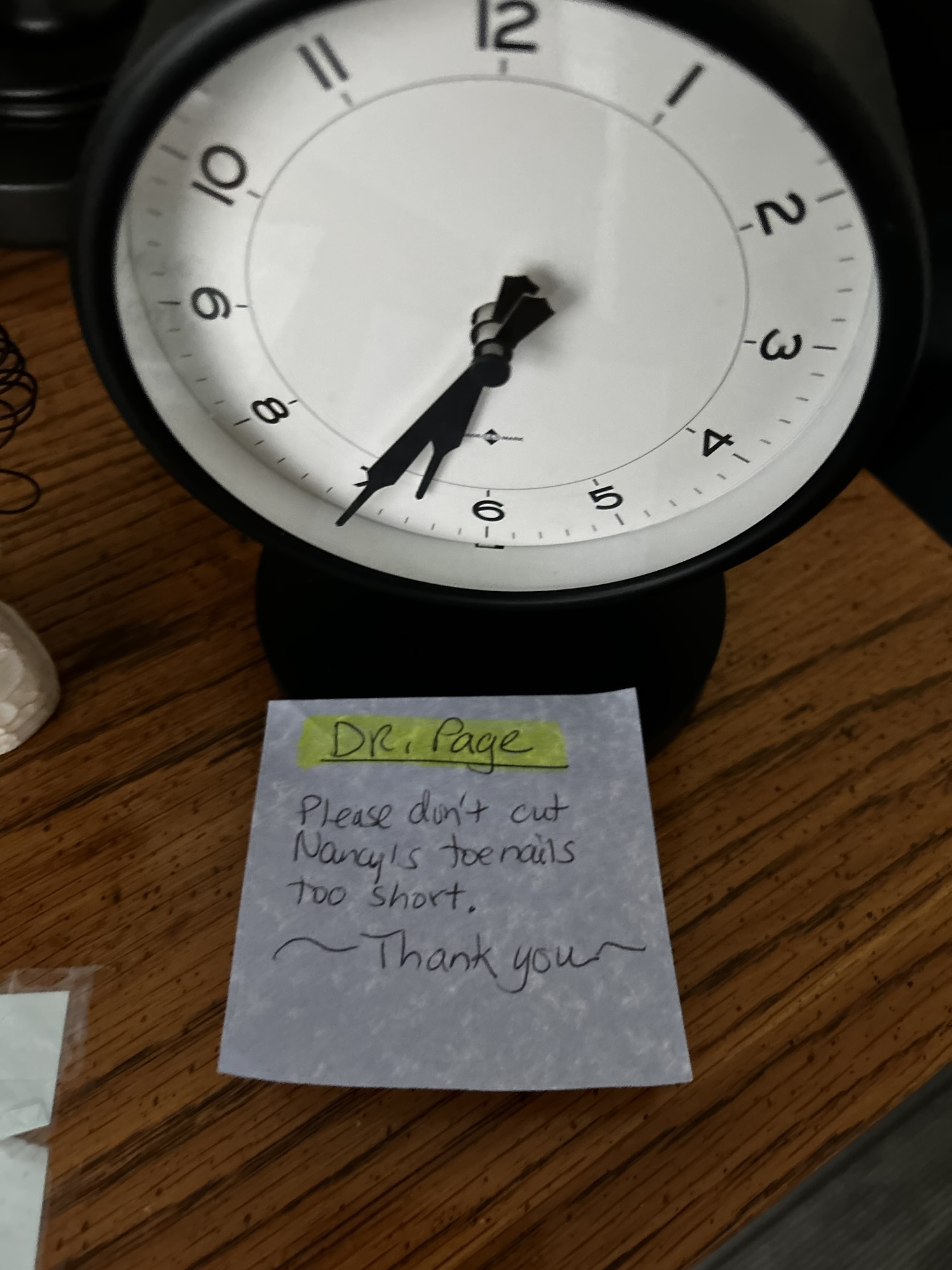
Every morning upon waking, we share a relationship with our alarm clocks. We set them, depend on them, maintain them and sometimes threaten them. Some of us even blame and abuse them. Our relationship with time management can be quite challenging, especially for those that are extremely creative. Distraction is wonderfully welcome to our souls yet disrupting to our schedules.
Of course there are different types of distractions, those in which family or friends ask for help and those in which our soul is screaming for attention. Other things in our lives are our phones, food, our clothes and our cars to name a few. Think about how you relate to all of these things throughout your every day and practice awareness on your thoughts. Weed out the negativity, frustration and disappointment and seek instead thankfulness and gratitude.
Think of bad thoughts as tiny ships passing by in a river. Allow the ships to pass that are not helpful in nourishing your soul. ~ E.Lang
…Relationships to our bodies
After several decades of carrying our bodies around, eventually our bodies respond to how we relate to it and with A.G.E. aka age, our bodies change as they begin to have different needs.
What? Wait – all the while we’re taking care of our kids, our bills, our appointments, etc. now our bodies are beginning to communicate more to us, so does that mean that we’ve been denying that it’s telling us things all along? Yes. We’ve been ignoring, dealing with and pushing our bodies’ cries under a rug (at least some of us), so don’t ignore what your body is telling you, because believe me, it’s not recommended to wait for it to SCREAM.
Practice good habits…
Eat Well:
be aware of what you eat, our modern diet has changed drastically and more and more people suffer from celiac disease, allergies and food sensitivities. As you put food into your mouth notice the texture and taste of the food, eat slowly and controlled. Make sure to consume natural foods and allow yourself ample time to eat. Be grateful for food!
Our body is like a garden, only put good foods in it to nourish and cultivate good bacteria, practice to be mindful of what you think, eat and do, and do it all with love and gratefulness. ~ E. Lang
Relationships to Change
and practicing Mindfulness
Changes are always certain as long as life exists
All things take place by change from how they are to make new and everything that exists is the seed of which will be. Pain is not evil, it is human and necessary. Enjoy life by joining one good thing to another and try not to leave even the smallest intervals between.
Change is clearly one of the most challenging obstacles in our lives. Each and every time a change happens, all things move. With changes in life we are thrown off our tracks and must relearn, regroup, reflect and regather ourselves. As long as ones perspective stays positive and faithful that there will indeed be value in terms of learning and progress, lessons will be learned and wisdom will be gained. During the process, we try to fight without reason, until we learn. When we open ourselves up to learn a new life lesson, it can be quite amazing, almost magical because we grow stronger, start fresh and try harder to be a better version of ourselves.
Life is a garden, practice planting good seeds through investing in good thoughts. Pull your weeds regularly. ~ E. Lang
Healing from Change
As I find, the most important things in life are the simplest: Faith in God, spending quality time with family and friends, self-care, healthy rituals and regular routines that encourage our best self to thrive. When we finish a chapter, we must begin again. In order to begin again, we need to evaluate our current situation, adjust and get back to the basics: when you are stressed: Be grateful for God, family and healthy habits!
Breathe Well:
be aware of your breaths as your chest rises and falls. Take deep breaths and hold it for a count of ten, then slowly and controlled, let it go out again. Be grateful for the air we breathe!
Mindfulness
The age of Mindfulness didn’t just get here by surprise, nor did it pop out of a cracker jack box, we’ve been going against nature in our way of life in a gradual but steady and exponential way. Other cultures have been practicing mindfulness for centuries. The closer we are to nature, the closer we are to our true selves. All the while we are trying to keep up, keep going and improve our lives, the improvement starts with us and us alone and always needs to come from within our core. Faith, hope and love carry a deep connection for this to happen and are necessary. Peace happens when we are one.
A separation from nature is a separation from ourselves. ~ E. Lang
Be grateful for Life and celebrate your Blessings!


 evanalife74