According to Matt James, PhD in his “Ready to Release” article in Psychology Today, our emotions carry purpose and wisdom. As we all experience positive and negative emotions he suggests us to begin “working with” our emotions instead of hiding them in order to release them. He feels that using the well known expression of “controlling” them could actually be misinterpreted as beating them into submission.
Many of us hide our emotions especially the negative ones and even if we might think “out of sight, out of mind,” these emotions are still there and working on causing all types of problems as they manifest mentally and physically. Many of these can be held in resentment, anger, hostility, fear, guilt and regrets. Some people hold onto things so long, they might not even know what they’re holding onto anymore.
💗💗💗💗💗💗💗💗💗💗💗💗💗💗💗💗
In his research, James found a great example of the 19th century Hawaiians and their vastly different approach to releasing emotions. As the Westerners were arriving, the ancient Hawaiians were in fact almost devoid of mental and physiological disease. How is this possible? This is because the Hawaiians work with their “unihipili,” (trans. “little creature/a little self inside you = our unconscious mind).
In a nutshell, our emotions that are stored within us collect, and once they surface, they will be expressed and worked through so that they can be released. This relieves stress, repressed emotions and memories.
In Don Miguel Ruiz’s book “The Four Agreements,” a Toltec Wisdom book, he describes us as having agreements with ourselves and others. Anything we accept as true, is an agreement we make with others and/or with ourselves. If we believe someone who speaks bad words against us, we are accepting it as a truth in agreement against ourselves and this is a sin. This sin begins with self-rejection in which is everything you feel, believe or say goes against yourself.
He talked about how animals only pay once for their mistakes, yet humans pay 1000’s of times. Our belief system is responsible for abusing ourselves as the judge and the victim. We ourselves are our worst judge and critic. Ruiz said: “The Word is a force you cannot see, yet you can see the manifestation of the force in your life. You know you’re using the word against yourself if you’re suffering with guilt, sadness or fear and using it impeccably if you’re happy.”
Being impeccable (sinless) with your word is the most difficult yet powerful agreement. Your word is God for “In the beginning was the word,” a gift from God. Through this word, we manifest everything through expressing creative power. All of our knowledge, everything you think, every opinion and every belief is created with the word. By using words, we create belief systems and entire life stories are made of words.
We use words with our thoughts; expressing feelings, opinions, ideas, remembering the past and imagining the future. Our very own personal life story is created by words. Your word is what you tell yourself, agree to accept as the truth, then believe. It’s a force that you have the power to create. Use your word as a beautiful story instead of misusing it and its force energy will be heavenly sinless.
Words give us the opportunity to create a better story. When you find yourself in thoughts that are troubling think out loud: “Is this true?” 95% of our beliefs are lies we believe and this is how we create drama. Instead of doubting yourself, doubt the lies. After each “untruth” is dispelled, it dispels the negative power and raises faith and good vibes.
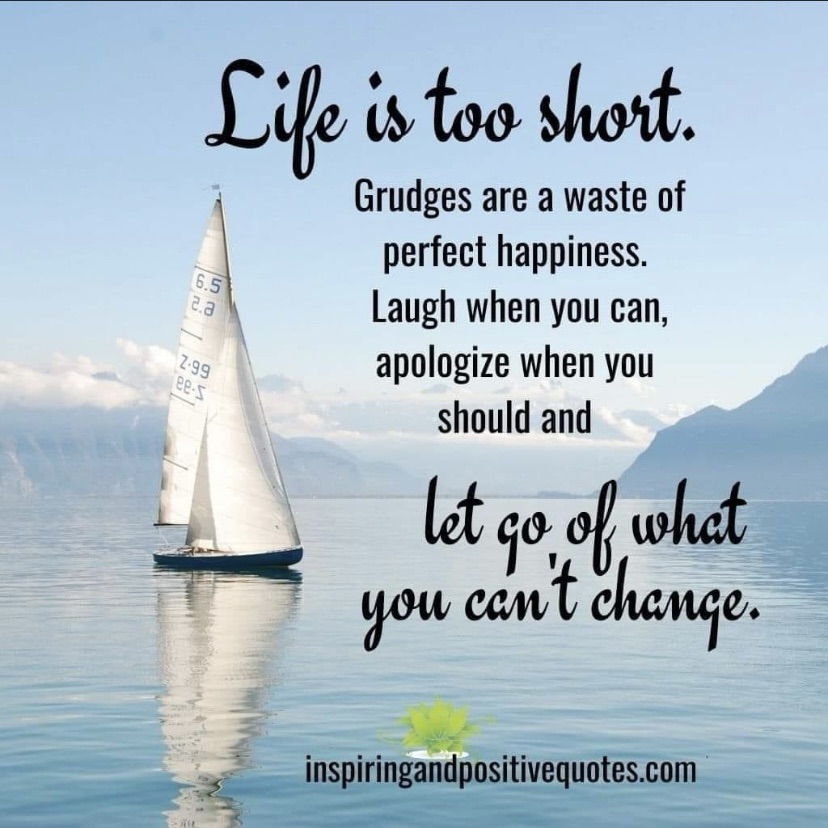
Use your word to express truth in every thought, every action and every belief to create your best life story.
Why do I love words so?
Because they play a melody;
words can be happy,
joyful and magic
when you chose them right,
they can dance like a
mad-in-love couple,
or jump and skip and make it hip.
The sounds, the rhythms,
the awesome vibes,
they help us feel alive.
When I think of the word “line”, I think of ways in which we are all connected. Our bodies are connected by veins that carry blood and oxygen throughout. A phone line, an electrical line, a gas line and of course – the World Wide Web connects people through a web of lines.
Traditionally, people used to hang clothes outside on a clothesline and it was common practice. How many of you have seen your parents or grandparents hanging up clothes on a clothesline? Hanging clothes on the line can be used as a form of reflection of the day, breathing fresh air, getting exercise and saving our resources by not using a clothes dryer. Connecting with nature in any way brings us closer to ourselves and who we are in the inside. This can be a welcome break from our busy lives.
My father enjoyed taking pictures of clotheslines and my mother loved hanging clothes on the line since she was a young girl. In fact, she has such fond memories of this that she remembers singing happily during the chore as the wind was blowing and the birds were chirping. A clothesline can be a very inspirational subject, as it creates interest in form, shape, color, environment and composition. Numerous artists used the clothesline in paintings including Charles Oldenburg, Renoir and Pietro Longhi.
A clothesline offers both intrinsic and extrinsic values for us: we are dependent on wearing clothes and people assess us by the clothes we are wearing. A clothesline can represent daily life as an ongoing process in which we all share responsibility.